


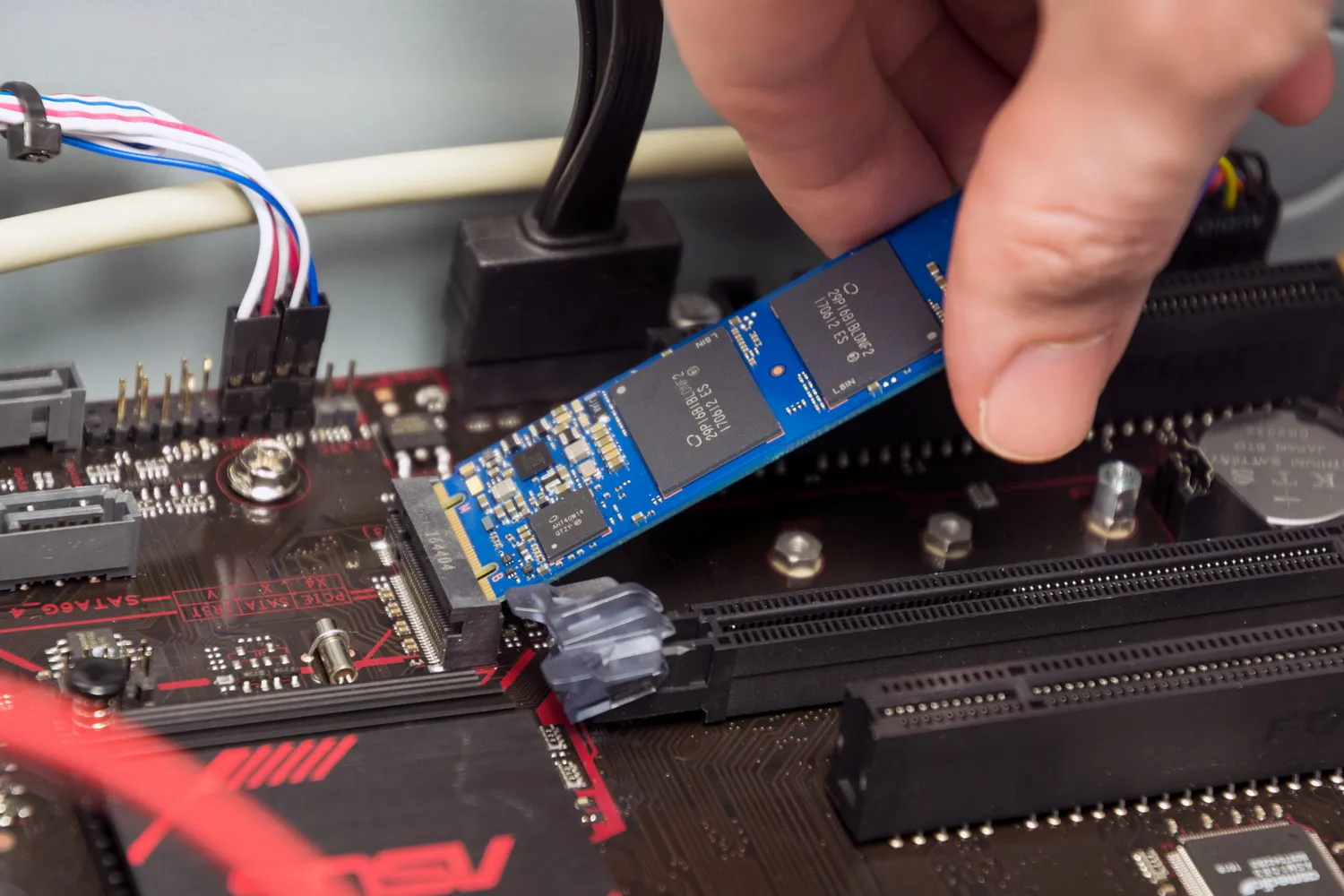
Is Optane better than an SSD? When upgrading your computer’s storage, you’re likely familiar with the impact an SSD can have on performance. These drives have already transformed the speed and efficiency of systems, offering rapid read and write speeds compared to traditional hard drives. But what if there’s a storage solution that takes performance to an even higher level? Enter Intel Optane memory—an advanced technology designed to supercharge your computer like never before.
But how does Optane compare to SSDs? Is it truly a better option, or is the SSD still the go-to choice for most users? In this article, we’ll explore the key differences between Optane and SSD technology, evaluating their strengths, weaknesses, and how they perform under different conditions. Whether you’re building a high-performance workstation or simply looking to boost your PC, this breakdown will help you make an informed decision based on your needs and budget.
What is Optane Memory?
Before diving into comparisons, let’s understand what sets Optane apart from traditional SSDs. Optane memory isn’t an SSD in the traditional sense. Instead, it uses a unique technology called 3D XPoint memory. Unlike NAND flash used in SSDs, 3D XPoint behaves more like a supercharged form of RAM—it’s extremely fast and can retain data even after power is turned off. Optane’s key advantages include:
- Speed: Optane delivers ultra-fast read and write speeds that surpass most consumer-grade SSDs.
- Endurance: It can handle far more write cycles than standard NAND flash, making it a durable choice for intensive tasks.
- Size: While current Optane modules come in smaller capacities (typically between 16GB and 32GB), they complement storage rather than replace it. This is likely to improve in the future as technology advances.
Does Intel Optane work with NVMe SSD?
How Does an SSD Work?
SSDs store data on flash memory chips, using NAND flash technology, which is much faster than traditional hard drives. However, NAND flash, while quick, still has limitations, particularly in terms of endurance and speed under heavy use compared to Optane. Think of SSDs as fast runners—they perform well but may slow down with extended use. Optane, in contrast, offers more endurance and sustained high-speed performance, much like a marathoner who can keep going without tiring.
Performance Face-Off: Optane vs SSD

Speed
When it comes to raw speed, Optane has the edge. It can process data far quicker than typical consumer SSDs, especially in tasks involving high-throughput data. The result is faster boot times, quicker file access, and smoother app launches.
However, keep in mind that the interface (such as SATA vs. PCIe) and other system components also influence overall performance. If you pair a standard SSD with a high-speed PCIe interface, it may narrow the gap with Optane in certain scenarios.
Responsiveness
One of Optane’s standout features is its ability to act as a cache. It learns your usage patterns and keeps frequently accessed data at the ready for near-instant retrieval. For users who work with large files or run demanding applications, this can dramatically improve system responsiveness, making everything from loading software to opening files feel much faster.
Use Case: Who Benefits Most from Optane?
Optane’s superior speed and endurance make it a great fit for:
- Professional Creatives: Video editors, 3D animators, and photographers dealing with large media files will see noticeable benefits from the enhanced performance.
- Gamers: Those who demand fast load times and seamless gaming experiences can leverage Optane for near-instant map loads and reduced lag.
- Data-Heavy Tasks: Professionals who work with large datasets, such as data analysts or researchers, can take advantage of Optane’s high throughput.
Important Considerations

While Optane shines in certain areas, there are a few factors to keep in mind before making a choice.
Price
Optane comes at a premium, typically costing more per gigabyte than most SSDs. While it offers fantastic performance, its higher price tag may not justify the boost for casual users or those on a budget.
Storage Capacity
Currently, Optane memory is available in smaller sizes (16GB or 32GB), which means it’s more suited for use as a high-speed cache rather than a primary storage device. If you need more storage space, a traditional SSD would still be a better option.
So, is Optane Better Than an SSD?
So, is Optane the better choice over SSDs? Which is right for you? It depends on your needs.
- Optane: If you’re looking for extreme speed, endurance, and responsiveness for specific tasks—like media production, gaming, or heavy data processing—Optane can give your system a serious performance boost. However, its high cost and limited capacity might not suit everyone.
- SSD: For most users, a high-quality SSD is the ideal choice. Offering great performance, value, and significantly larger capacities, SSDs provide an excellent balance of speed and storage, making them the go-to option for general use.
Optane technology may be the perfect upgrade for those who need top-tier performance, but SSDs remain the best all-around solution for everyday computing. Consider your budget and use cases before deciding which one to choose.